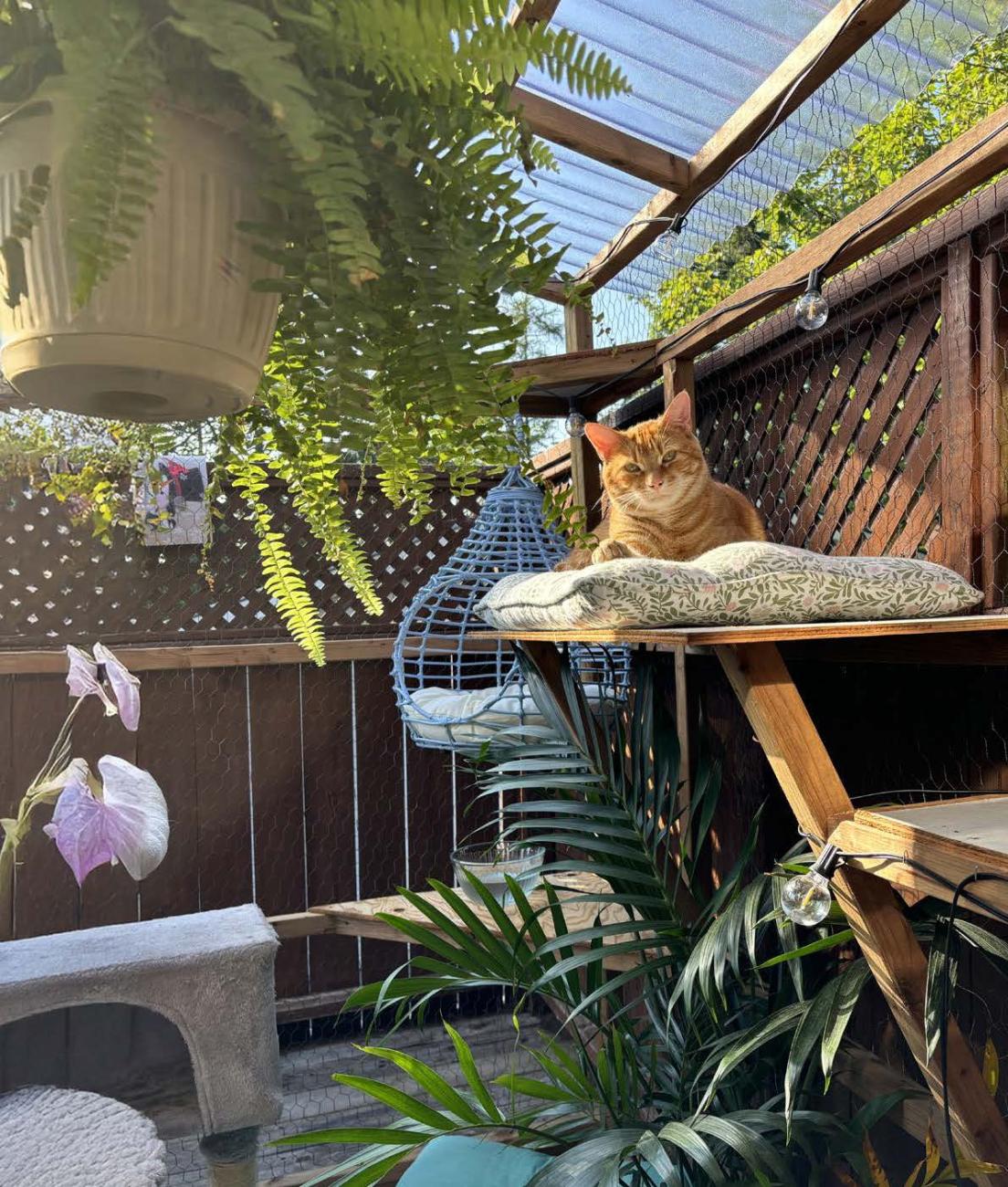
Ararat Rural City Council urges responsible cat ownership as numbers rise
Ararat Rural City Council is calling on local cat owners to play their part in addressing rising cat numbers, with the Ararat Pound and Shelter operating above capacity for the past three months. Council officers are seeing record numbers of cats being surrendered, handed in as strays, or trapped as feral animals across the municipality.
Across Victoria there are an estimated 914,000 pet cats, but only around 227,000 are registered with councils, placing increasing pressure on pounds, shelters, and rescue organisations*. In Ararat Rural City, 8 out of 10 calls from residents who have lost their cats relate to animals that are not registered, making it much harder for Council to reunite them with their owners or identify them quickly.
Ararat Rural City Council CEO, Dr Tim Harrison, said local action on responsible cat ownership is essential to protect both animal welfare and native wildlife. “Cats are wonderful companions, but unmanaged cat populations create real problems for our community, our staff, and our local environment,” Dr Harrison said. “We are peri urban to significant natural areas and national parks, so if we do not get on top of cat numbers now, we will see more pressure on wildlife, more disease, and more cats coming through an already stretched pound system.”
Cats are highly effective hunters and, if allowed to roam, will prey on small native birds, reptiles, and mammals, even when they are well fed at home. National research cited in the Victorian Cat Management Strategy estimates that feral cats kill about 2 billion reptiles, birds, frogs, and mammals each year, with pet cats responsible for hundreds of millions more kills annually. In peri urban areas like Ararat, roaming pet, semi owned, and unowned cats can move between homes, farms, and bushland, compounding their impact on local biodiversity.
The Council is also concerned about outbreaks of highly contagious cat flu that have been detected in parts of the municipality. Cat flu can spread quickly between unvaccinated animals, including from unowned or feral cats to domestic pets, leading to severe illness, suffering, and in some cases death. Keeping cats contained to their property, vaccinated, and away from stray or unknown cats is a simple way owners can reduce the risk of disease.
Council is encouraging residents to desex, register, microchip, vaccinate, and contain their cats at home. Early desexing from four months of age, combined with lifetime containment, reduces unwanted litters, protects cats from injury and disease, and limits their impact on wildlife.
“Registering, vaccinating, desexing, and microchipping your cat is one of the simplest and most effective ways to support the health of your pet and reduce pressure on our pound,” Dr Harrison said. “When a cat is registered and microchipped, our team has a much better chance of getting it home quickly, rather than adding to the number of unclaimed cats in the system. We want to see fewer cats coming into care, better outcomes for the cats that do come in, and more of our local wildlife still present in ten or twenty years’ time.”
To support humane management of wild and stray cats, Council provides a limited number of humane cat traps for residents to borrow, with a $50 refundable deposit for a seven day loan period. There is currently a waitlist for traps, reflecting the high number of requests received from across the municipality.
Residents who are experiencing issues with wild, stray, or semi owned cats are encouraged to contact Council to discuss practical options. Council does not automatically euthanise trapped cats and works with animal welfare partners to assess health and behaviour, reunite identified cats with owners, and rehome suitable animals where possible. This aligns with the Victorian Cat Management Strategy’s focus on promoting cat welfare, reducing euthanasia, and improving collaboration between councils, shelters, and rescue groups.
“We are committed to managing cats in a way that is humane, evidence based, and practical for our community,” Dr Harrison said. “Council can provide advice, equipment, and support, but we cannot solve this challenge on our own. Every owner who keeps their cat at home, registers it, and has it desexed is part of the solution.”
“If we work together now, we can keep local cats safe and healthy, and safeguard the landscapes and wildlife that make this region such a special place to live.”
Owners and residents seeking more information about responsible cat ownership, trap hire, or adoption opportunities can contact Ararat Rural City Council’s Community Safety team on 5355 0200 or visit www.ararat.vic.gov.au.
- VICTORIAN CAT MANAGEMENT STRATEGY 2025-2035