Ararat’s Flora and Fauna
Biodiversity Map
Ararat’s Flora and Fauna
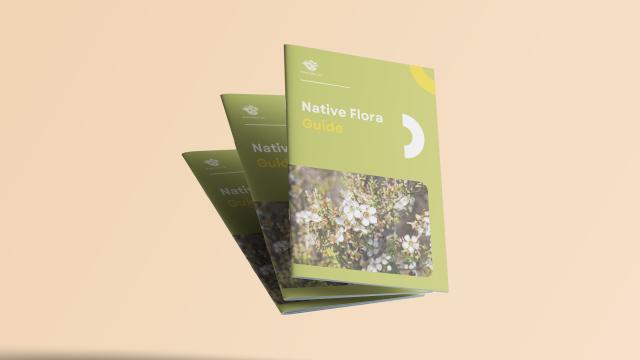
Ararat municipality supports an incredibly wide range of unique native plants and habitats, ranging from open grasslands to wetlands and shallow marshes, as well as heathy and shrubby woodlands and forests. Bioregions and ecological vegetation classes (EVCs) are used to categorise the environment into unique habitat types based on the species of plants present, the structure of these plant communities, and the overall characteristic of the landscape and geology. Ararat municipality is part of 6 Bioregions, including the Central Victorian uplands and Victorian Volcanic Plains, and includes 140 EVCs, including Plains Grassy Wetland and Shallow Freshwater Marsh. Our Flora of Ararat Municipality brochure provides further information about some of the common and rare plants inhabiting the Ararat region.
It is important to protect and enhance these native patches of vegetation, as they:
- Provide ecosystem services to people such as protection against soil erosion, nutrient cycling, air and water purification, and buffers against environmental extremes.
- Provide habitat and resources to our native wildlife, including pollinators.
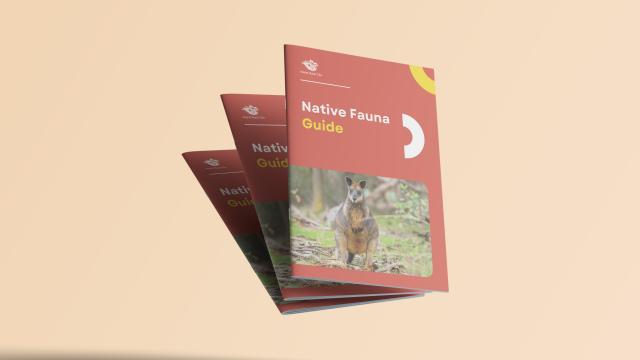
This wildlife includes over 300 species of birds, mammals, reptiles, amphibians and fish. See the Fauna of Ararat Municipality brochure for more detailed information about the range of fauna which can be found across the municipality.
Protecting our Native Species
Native animals are protected by legislation: the Victorian Wildlife Act 1975 and the Flora and Fauna Guarantee Act 1988 (FFG Act), and the Federal Environment Protection and Biodiversity Conservation Act 1999 (EPBC Act). The Wildlife Act 1975 makes it illegal to hunt, take, destroy, possess, buy or sell wildlife or parts of wildlife. The FFG and EPBC Acts ensure protection for native species. Ararat is home to a number of species which are listed as threatened under the FFG Act: 220 species of plant (2023) and 96 species of animal, including invertebrates (2025). Ararat is also home to five vegetation communities which are listed and protected under legislation.
All plants that are native to Victoria, including trees, shrubs, herbs and grasses, are protected under the Guidelines for the removal, destruction or lopping of native vegetation which are incorporated into all Victorian planning schemes. The guidelines ensure no net loss of biodiversity through the removal, destruction or lopping of native vegetation, through following a three-step approach:
- Avoid the removal of native vegetation.
- Minimise impacts from the removal of native vegetation that cannot be avoided.
- Provide an offset to compensate for the biodiversity impact from the removal of native vegetation.
The Guidelines ensure this protection by requiring landowners to submit a planning application for the removal, destruction or lopping of native vegetation on their property.
Under the Guidelines native vegetation includes any native plants, including remnant and replanted, which fit under three categories:
1. Patch:
- an area of vegetation where at least 25% of the total perennial (keep their foliage year-round) understorey plant cover is native, or;
- any area with three or more native canopy trees where the drip line of each tree touches the drip line of at least one other tree, forming a continuous canopy, or;
- any mapped wetland included in the Current wetlands map.
2. Patch Tree:
- a native canopy tree within a patch.
3. Scattered Tree:
- a native canopy tree that does not form part of a patch.
For further information about the requirements for removing native vegetation on your property, see the resources provided by the Victorian State Government or contact our local planning team.
Council’s Actions
Rate rebate
In 2025/2026, Council introduced a rate rebate to property owners who register a Trust for Nature conservation covenant on their property.
The rebate acknowledges the long-term commitment of these property owners to conserving the biodiversity of their land. Landowners can receive a rebate of up to $20 per hectare of land placed under covenant, with a maximum payment of $500.
You can help protect Ararat’s unique and diverse environments by planting native vegetation in your yard. As part of a garden, native plants have multiple benefits:
- They are best adapted to local climate and soil conditions:
- Australian native plants have evolved in the unique conditions presented by this country. In Victoria, many natives are drought tolerant and require minimal water (generally half the amount needed for non-natives!) and are well adapted to poorer soil conditions.
- Australian native plants have evolved in the unique conditions presented by this country. In Victoria, many natives are drought tolerant and require minimal water (generally half the amount needed for non-natives!) and are well adapted to poorer soil conditions.
- They require minimal maintenance:
- In addition to requiring less water, native plants rarely require fertiliser or pesticides. Not only does this reduce costs in the long run but also protects the broader environment from the impacts of chemical run-off and spray drift.
- In addition to requiring less water, native plants rarely require fertiliser or pesticides. Not only does this reduce costs in the long run but also protects the broader environment from the impacts of chemical run-off and spray drift.
- They have an extremely wide range of uses and appearances:
- Our native plants are incredibly diverse. There are many species which are suitable for a range of purposes: such as for shade, screening and hedging, bush food, ground covers, erosion control, windbreaks and as garden features.
- Our native plants are incredibly diverse. There are many species which are suitable for a range of purposes: such as for shade, screening and hedging, bush food, ground covers, erosion control, windbreaks and as garden features.
- They are excellent supporters of native biodiversity:
- Native gardens provide homes and corridors for native animals. Native birds, mammals, reptiles, amphibians and invertebrates will all regularly seek refuge in a well-established native garden.
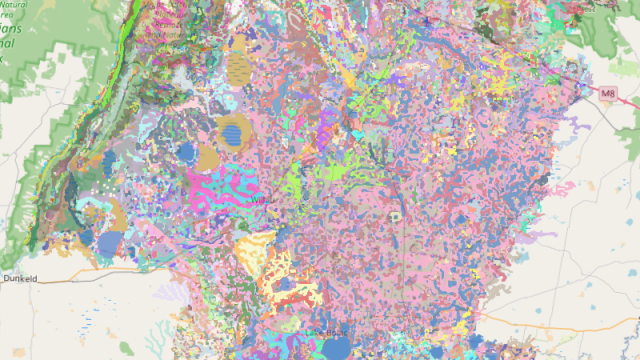
All of these benefits can be increased by planting species which are locally native (endemic). These plants are even better suited to survive and support the native wildlife within an area. Below is a map of the municipality, which provides a list of recommended native plants based on locality.
Map of Recommended Vegetation
You can find more information about planting trees in your yard—including the benefits in the context of climate change, a list of recommended species, and a practical planting guide—in the booklet Urban Trees: Making Choices for a Changing Climate, developed by the Ararat Landcare Group.
A few key points for planting are:
- Clear out as many weeds as you can first.
- Australian natives are best planted in Autumn to give them time to establish before the next summer.
- Try to capture a diversity of plant types across all storeys: each has its own unique benefits and they thrive well together!
More advice on native planting can be found from the Australian Plants Society.
There are a number of nurseries in Ararat and surrounds where you can purchase these plants:
You can find more information about protecting our rich and diverse biodiversity from Native Flora Guide and the Native Fauna Guide.