Invertebrates
Ararat is also home to many invasive insects and mites which pose a significant threat to biodiversity, agriculture, and the community. A few of the most impactful species are detailed below:
Agriculture Victoria has provided a full list of priority insects and mites.
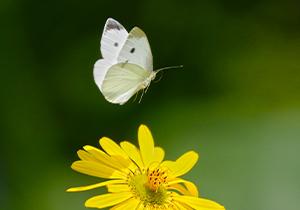
Cabbage White Butterfly (Pieris rapae)
Large, white to yellow, day-flying moth found in abundance in autumn and spring. The caterpillars are common pest of brassica crops (including cabbages, broccoli, cauliflower, and brussels sprouts) as well as canola. Widespread in urban areas, woodlands and forests.
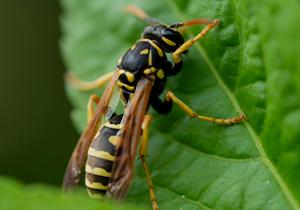
European Wasp (Vespula germanica)
Medium sized wasp, similar in size and appearance to a bee with slender, smoother bodies, brighter colouration, and narrow waists. Are attracted to food and drinks and can be a common pest in urban areas. Can sting repeatedly, causing injury and potential allergic reactions to people and animals.
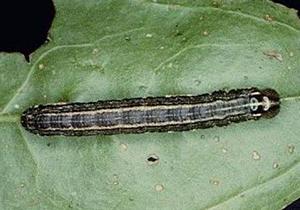
Southern Armyworm (Persectania ewingii)
Medium sized, grey-brown moth. Caterpillar has three distinct cream white stripes along the body and is a prolific pest of grasses and cereal crops (oats, wheat, barley). Major outbreaks can occur after periods of drought.
Victoria Priority Pest Insect
Pesticides, while often initially effective, often aren’t the single best solution for managing invertebrate pests for many reasons:
- Many pesticides aren’t species specific and can significantly harm native invertebrates. You can find out more about native Australian invertebrates, their benefits and how to protect them at Invertebrates Australia.
- Drift, run-off, and vaporisation of pesticides can negatively impact areas far away from the site being treated.
- Resistance can build up in individuals and species, making pesticides less effective over time.
- There can be localised and widespread health impacts: particularly if correct handling procedures aren’t adhered to, and is vulnerable people are exposed.
Integrated approaches, combining chemical, biological, and physical controls are often best for providing biodiversity conscious, long-term management of these pests. You can find more information about integrated pest management of invertebrates from: