Key Weeds
There are many weeds within the shire that pose a risk to local biodiversity, primary industries, community safety, and operational delivery by Council. Many of these weed species are declared noxious (have the potential to cause environmental or economic harm) under the CaLP Act 1994, under four classifications:
- State prohibited weeds: Don’t occur in Victoria but post significant threat if they invade OR are present, causing threat and are highly likely to be able to be eradicated. Landowners can be directed to remove weeds with this classification under section 70 (1) of the CaLP Act.
- Regionally prohibited weeds: Aren’t widely distributed in the region but have the capacity to invade further. Are highly likely to be able to be eradicated. Landowners, including local governments managing crown land, must take all reasonable steps to eradicate these weeds.
- Regionally controlled weeds: Widespread within a region, and ongoing control and management is required to mitigate the impacts. Landowners must take all reasonable steps to prevent growth and spread of these weeds.
- Restricted weeds: Weeds that pose an unacceptable risk of spreading in Victoria and are a serious threat to other states and territories. Trade of material from these plants is prohibited.
Some of these weeds are also declared Weeds of National Significance under the Australian Weeds Strategy 2017-2027.
A more extensive list of key weeds, their descriptions, and management recommendations is provided by the Glenelg-Hopkins Catchment Management Authority.
You can also find more information about weed identification and control from Weeds Victoria.
Detailed below are a few of the key weeds which are impacting our municipality.
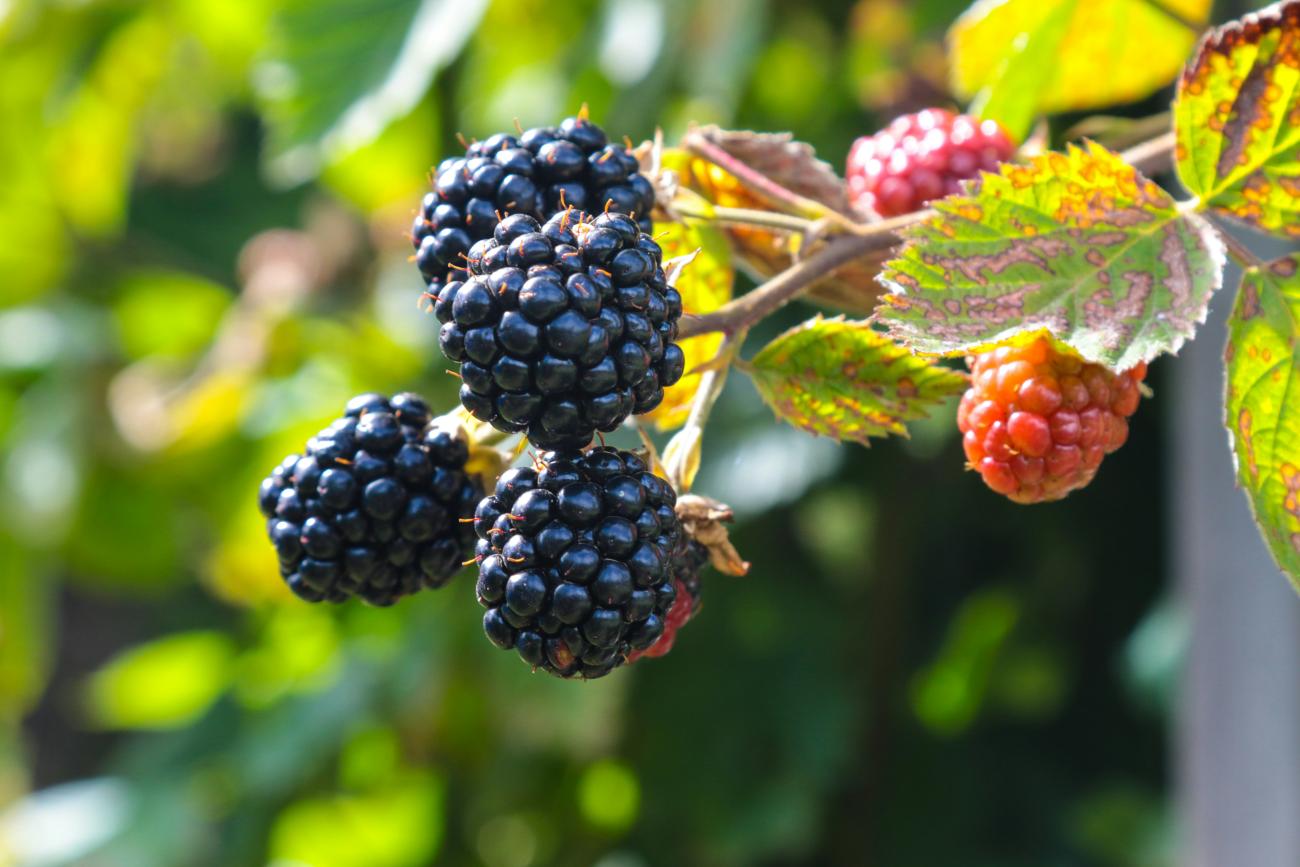
Blackberry (Rubus fruticosus aggregate)
A woody bush with scrambling stems covered in spikes. Produces edible berries which turn from red to black when ripening. Often found invading waterbodies and agricultural land. Provides habitat for many invasive animals.
Regionally controlled (Glenelg-Hopkins & Wimmera)
Weed of National Significance
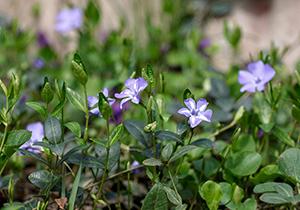
Blue Periwinkle (Vinca major)
A blue flowered creeping groundcover which smothers and outcompetes other plants. Can be poisonous to livestock and horses. Often found along damp and wet areas.
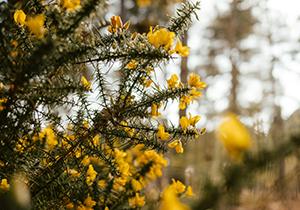
Gorse (Ulex europaeus)
A large, many-branched shrub with dark green spines and yellow pea-like flowers. Highly invasive, and has a large, long-lived seed bank. Provides habitat for many invasive animals.
Regionally controlled (Glenelg-Hopkins & Wimmera)
Weed of National Significance
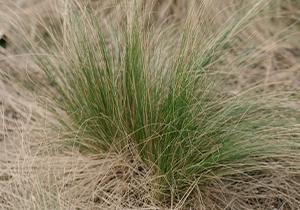
Serrated Tussock (Nassella trichotoma)
A medium sized tussock grass. Highly prolific seeder (producing over 100,000 per plant per year). Unpalatable to livestock, or if consumed the leaves can ball in the rumen causing injury or eventual death.
Regionally prohibited (Glenelg-Hopkins & Wimmera)
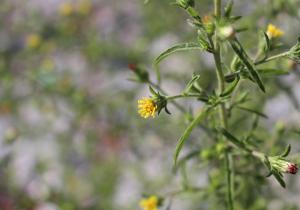
Stinkwort (Dittrichia graveolens)
A strongly scented, multibranched herb growing to 1m in height, with numerous clusters of yellow flowers. Can taint meat and milk when consumed by livestock. Seeds can cause contact dermatitis
Regionally restricted (Glenelg-Hopkins & Wimmera)
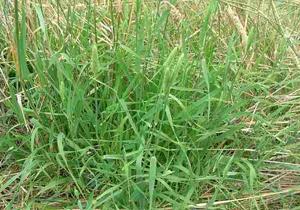
Toowoomba Canary-grass (Phalaris aquatica)
A tufted grass common and widely spread across the shire, historically used as a pasture plant. Outcompete native grasses due to its hardy and fast spreading nature. Consumption can cause chronic Phalaris toxicity (CPT) in livestock and native mammals (mainly macropods).
Prioritise weed management based on:
- Distribution: eradicate those with a limited and manageable distribution first
- Legal status: check if the species is listed under federal or state legislation. If the species is listed under the CaLP Act 1994, manage in accordance with the designated classification.
- Impacts and spread: examine if the weed is likely to spread to areas where impact could be significant such as agricultural land, natural reserves or waterways.
- Targeted management: select management methods and timing based on what is most effective for the specific species, and minimises impacts to native vegetation, waterways and wildlife.
Prevent further spread by keeping tools, shoes, vehicles and other machinery clean.